Gas Line Safety Basics
Gas line safety basics are essential knowledge for every homeowner and renter. Natural gas and propane are common fuel sources that power stoves, water heaters, furnaces, and grills. When gas systems are installed and maintained correctly they are quiet and reliable. When something goes wrong a small leak can escalate quickly into a dangerous situation. This guide will walk through everyday precautions that reduce risk and help you recognize trouble early.
The goal here is practical guidance you can use today. You will learn how to identify different types of gas piping, what to check during seasonal inspections, how to respond to a suspected leak, and when to call a professional. Real examples and clear steps make these basics easy to follow even for people who are not handy with tools.
How Natural Gas and Propane Behave in Homes
Understanding the properties of these fuels helps explain why certain safety steps matter. Natural gas is lighter than air so it tends to rise and collect under ceilings and in attics. Propane is heavier than air so it pools near the floor in low spots. Both are highly combustible and both can cause health problems if inhaled in quantity.
Smell is a primary detection method because utilities add a sulfur like scent to otherwise odorless gas. That odor fades over time or can be masked by other smells. Relying solely on scent is not enough. Combine odor awareness with detectors and routine inspections for a stronger safety plan.
Common Signs of a Gas Leak to Watch For
- Distinct rotten egg or sulfur smell
- Hissing or whistling sound near a gas line or appliance
- Dead vegetation over a buried line
- Soil disturbance or bubbling in wet ground
- Unexplained symptoms like dizziness, nausea, or headaches
- Appliances that will not stay lit or have yellow flames instead of blue
If you notice any of these signs take immediate action and avoid using electrical switches or phones inside the home. Use a neighbor’s phone or your cell phone outside to call the gas company or emergency services.
Daily Habits That Reduce Risk
- Keep appliance vents and flues clear of debris and blockages
- Schedule annual inspections for furnaces and water heaters
- Install and test carbon monoxide detectors and gas leak detectors
- Know the location of main shutoff valves for your home and appliances
- Avoid storing flammable materials near gas appliances
- Teach household members how to respond to a gas leak
Simple checks once a month make a difference. For example checking pilot lights and burner flames for proper color is quick and informative. A healthy flame is mostly blue while a yellow or flickering flame can indicate a combustion problem that needs attention.
Materials, Connections, and What to Inspect
Gas piping uses several types of materials depending on location and application. Black steel and copper have been common inside homes. Corrugated stainless steel tubing is used for flexible connections to appliances. For outdoor service lines polyethylene pipe is standard in many areas.
Where to look for potential problems
- Pipe joints and fittings near appliances
- Flexible hoses behind stoves and dryers
- Buried lines near landscaping or new construction
- Connections at meters and regulators
Signs a pipe needs professional attention
- Corrosion or visible rust on black iron
- Cracks or splits in flexible connectors
- Loose or missing pipe supports that cause sagging
- Previous repairs that look temporary or use the wrong materials
When inspecting, a soapy water solution applied to joints can reveal leaks as bubbles form. Never use an open flame for detection. If you find persistent bubbling stop work and call the gas provider or a qualified technician.
What to Do Immediately When You Suspect a Leak
If you smell gas or hear a hissing sound act quickly. First, get everyone out of the building and move upwind. Do not switch lights on or off and do not operate electrical devices until you are safely away. Avoid using phones inside the structure.
Once outside call the local gas company or emergency number. Utility companies will respond to reports of leaks and can shut service off at the meter. If the situation feels urgent call emergency services. After the area is declared safe only then should repairs begin.
Routine Testing and Pressure Checks
Pressure testing is a common way professionals verify the integrity of a gas line after installation or repair. The process applies a pressure higher than system operating pressure and monitors for drops. This test should be performed by someone trained and equipped to interpret results and to use proper gauges and fittings.
Do not attempt pressure testing with improvised tools. A failed test requires diagnosis and correction by someone familiar with codes and safe practices. Most municipalities require permits and inspections for line modifications and burying new pipes.
Choosing the Right Help and What to Ask
Working with a licensed technician reduces risk and can shorten repair time. When searching for help ask about experience with gas systems, proof of license, insurance coverage, and whether the company pulls required permits. A good technician will explain planned steps and provide a written estimate.
Look for local firms with clear policies on emergency response. If you need installations or repairs in Austin, this licensed gas line services points to trained teams who work on gas piping and related components. Choosing a group that follows local codes avoids costly rework and possible fines.
Practical Maintenance Checklist You Can Use
- Monthly: Walk the home and smell for gas near appliances and meter
- Quarterly: Test carbon monoxide and gas detectors and change batteries
- Biannually: Inspect flexible stove and dryer connectors for wear
- Annually: Schedule a professional appliance inspection and chimney check
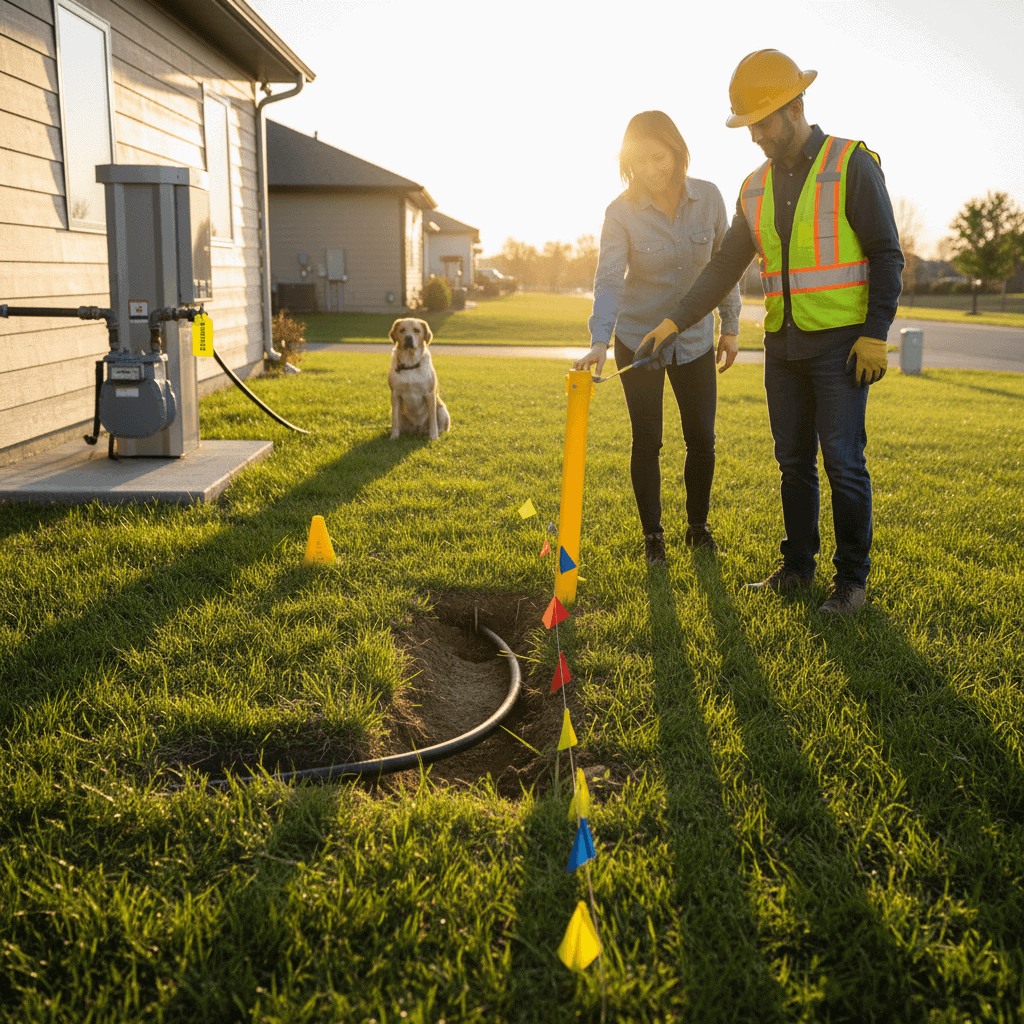
- After work near the property: Mark and verify locations of buried lines before digging
Keep records of inspections and repairs. A simple log with dates, the person who performed the work, and notes about findings helps if problems recur and it supports resale value when selling the property.
Common Repair Scenarios and Examples
Example one is a homeowner who noticed a faint smell after gardening. A buried repair clamp on a service line had started to leak where roots pushed against the soil. The utility located and isolated the line and a technician replaced the clamp and backfilled with warning tape above the pipe location.
Example two is a tenant reporting a burner that kept going out. The technician found a clogged orifice and a loose flexible connector. Cleaning the orifice and tightening the connection fixed the problem. Small issues like these are typical and simple to correct when addressed quickly.
Final Tips for Long Term Safety
- Label shutoff valves and teach everyone in the household how to operate them
- Mark the location of underground gas lines with flags or permanent markers
- When renovating include gas line work in your plans and get permits
- Replace old flexible connectors on a scheduled basis instead of waiting for failure
- Keep emergency numbers handy and store them outside the home
Clear rules and steady habits reduce the chance of a dangerous incident. A quick monthly walk around your home can reveal a lot and a professional inspection every year finds things you might miss.
Conclusion
Gas line safety basics are practical steps anyone can follow to protect their home and family. Knowing how gas behaves, recognizing common signs of a leak, and having a plan of action turn potential hazards into manageable events. Routine inspections, use of detectors, and simple monthly checks form a strong first line of defense. When issues appear it is important to proceed calmly, evacuate if required, and contact the proper responders. For major repairs or installations using trained, licensed technicians protects your household and keeps the system in compliance with local regulations.
Keeping a written maintenance log and teaching household members what to do in an emergency reduces response time and can prevent injury or property damage. If you plan any digging or renovation contact your utility and have lines located first. Finally, do not try complex repair procedures yourself. A qualified professional has the tools and knowledge to perform pressure testing, make safe connections, and secure the work with required permits and inspections. If you need a reliable team to evaluate or repair gas piping call a licensed provider or your utility for guidance. Taking action today lowers your risk tomorrow and keeps your living space safe and functional.